
Supporting Workplace Mental Health: Insights from the Executive Impact Lunch
Reflections from a purpose driven fundraising event for youth wellbeing.
Why This Matters for Leaders Committed to People
When leaders take time to reflect on workplace Mental Health, real insight often unfolds, not just for profits or productivity but for the people behind the outcomes.
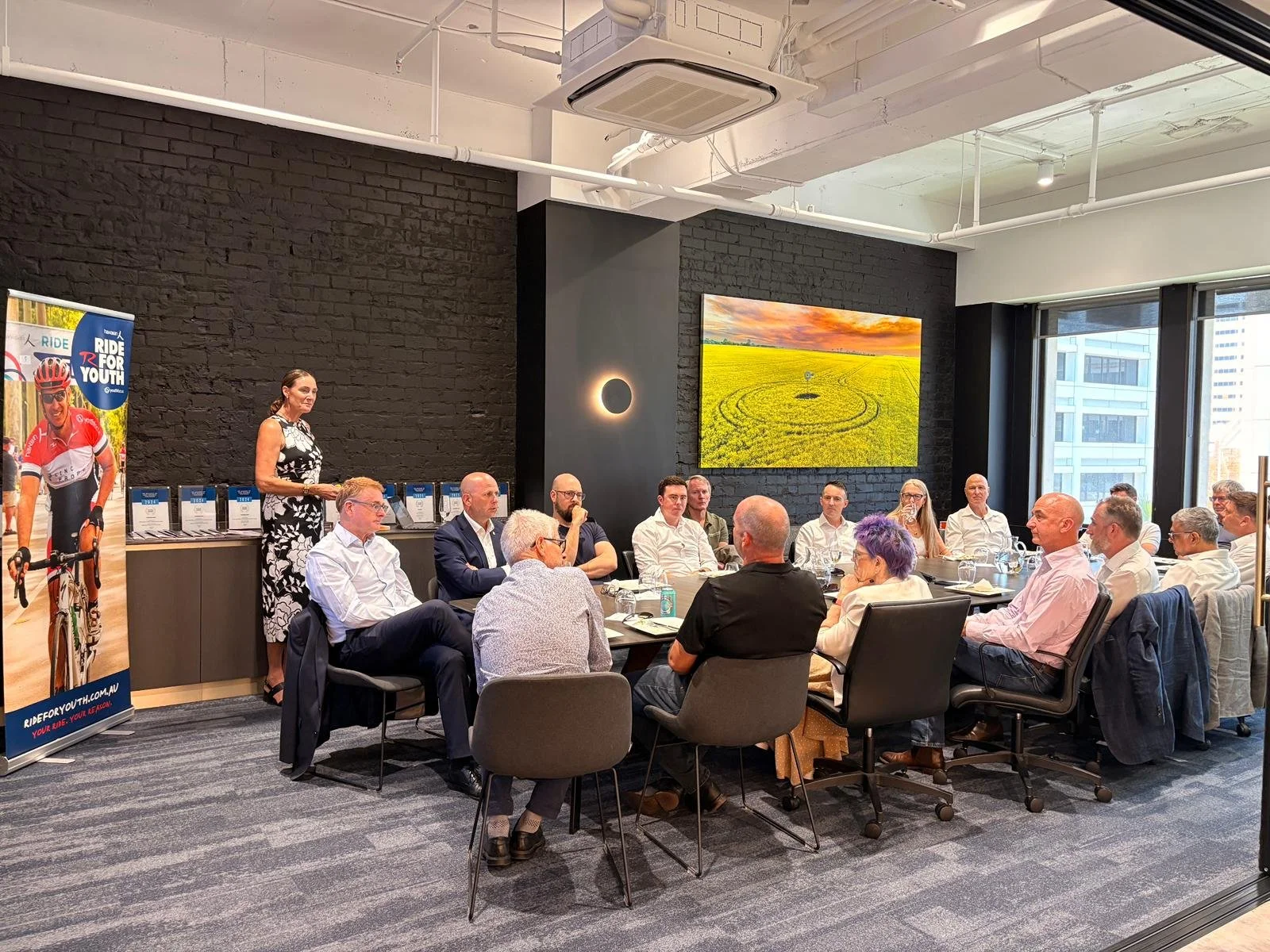
The Executive Impact Lunch was exactly that kind of moment. Held at the Business News Offices in Perth and dedicated to elevating honest conversations about mental wellbeing in business, the event wasn’t just inspiring; it was a reminder that leadership with heart transforms workplaces and communities alike.
A Purpose Beyond Networking: What the Executive Impact Lunch Was About
On 20 January 2026, executives joined together for a thoughtful midday forum focused on mental wellbeing and leadership impact. This fundraising lunch, kindly supported by Business News, brought together CEOs and senior leaders to reflect on how we can shape healthier workplaces while supporting a powerful cause: the upcoming Hawaiian Ride for Youth.
At its heart, the Ride for Youth is a remarkable charity initiative cycling roughly 700 kms from Albany to Perth to raise vital funds and awareness for Youth Focus, a leading provider of mental health support and suicide prevention services for young people across Western Australia. I am challenging myself by riding in the Ride for Youth for the 2nd year in a row, one of the most mentally challenging things I’ve ever done.
Now let’s explore what stood out from the conversations at the table and how they can shift the way you lead your team.
Wellbeing Language Changes the Culture
Talking about Workplace Mental Health with staff begins with the words we choose. Rather than using the clinical term health, shifting to wellbeing or safety helps people describe their feelings more naturally and without defence. This subtle language change signals that you value your people as humans first, not just as producers.
When wellbeing sits alongside core values like integrity, it tells your team that you prioritise their resilience over mere output.
Know The Person Before Assigning Tasks
Great managers don’t just give orders. They understand the individuals they lead. A simple way to build connection? Adding something personal to broad team communications, even as playful as sharing a song in an all-staff email, creates a shared moment of humanity amidst instruction.
This isn’t fluff. It’s real culture building. Fun and connection make teams more resilient, more open, and more likely to support one another.
Lead With the Human Before the Job
Rather than jumping into task lists, start conversations by checking in on the person. Ask how they’re feeling, not just what they’re working on. Ensure regular 1:1s happen at least fortnightly and focus on motivation, personal challenges, and capacity. Your team will feel seen, not just assessed.
Trusted Conversations Start Healing
One clear message from the lunch was how powerful communication is, especially for young people. For many young adults, sharing a concern with a trusted teacher, mentor, or parent is the first step toward recovery.
In the adult workplace, these conversations might be more complex, but the philosophy remains: people heal when they can talk openly with someone they trust. As leaders, being that trusted person for your team can make a real difference in wellbeing and retention.
Build a Culture of Vulnerability and Trust
Healthy culture starts with permission to be real. Businesses that train cultural champions, explicitly promote self-esteem protection, and share top personal goals build environments where people feel emotionally safe. One team even has a "goals wall": photos of personal aspirations celebrated company-wide. It works because it’s honest, human, and deeply unifying.
Rituals and Routines That Reinforce Mental Wellbeing
Cultural change doesn’t have to be dramatic. It’s the little things done consistently that shift norms. Here are simple yet powerful strategies shared at the lunch:
Weekly walking meetings (even on Zoom) for fresh air and movement
Daily intention setting to help people focus mindfully
Company book clubs and buddy systems to promote connection
Mental health days that don’t eat into leave balances
Lunch & Learn sessions on life and wellbeing skills
Daily huddles to check in emotionally and operationally
Each of these helps embed support into the rhythm of the business.
Make Support Easy to Access, Not Just Visible
Many workplaces have an Employee Assistance Program (or EAP). But accessibility isn’t just about the knowledge, it’s about convenience and dignity.
Employees shouldn’t have to hunt for support resources when they’re struggling. Your internal communications, apps, or intranet should make it easy to find help in the moment it’s needed, without stress or stigma.
Don’t Just Promote Support, Fund It
Some businesses go further by covering the cost of external help. Paying for a psychologist, business coach, or mental health first aid training shows you’re not just encouraging self-care, you’re enabling it. One team even ensured every new hire went through a 12-week induction focused on wellbeing culture and language.
You only manage what you can measure; but you can’t measure what you don’t understand.
The Bigger Context: Why This Work Matters
You don’t have to look far in daily life to see the impact of mental health challenges, in our teams, our communities, and our daily lives. What makes the real difference is how we lead. When open conversations, accessible support, and genuine connection are woven into everyday culture, people feel safe to show up fully.
Leadership isn’t just about driving outcomes. It’s about creating the conditions for people to thrive. The Executive Impact Lunch reminded us that supporting workplace mental health takes more than good intentions. It takes deliberate action. From the language we use to the structures we build, every choice sends a message.
When leaders put wellbeing at the centre, the impact ripples far beyond the office; supporting not just our teams, but the wider community through vital causes like Ride for Youth.
Supporting Youth Focus Through the Ride for Youth
The Hawaiian Ride for Youth is more than a cycling event. Each year, hundreds of riders and support crew travel over 700 km from Albany to Perth over several days to raise funds for Youth Focus. The money raised helps young people access life‑changing counselling, early intervention, and suicide prevention services, all free of charge.
All funds from the Executive Impact Lunch contributed toward this effort, reinforcing that workplace leadership and community support can (and should) go hand in hand. If you would like to contribute directly to my Ride for Youth team in support of Youth Focus, I would be forever grateful.
How will you bring intention to wellbeing conversations in your workplace today?
If you’re ready to build leadership confidence in supporting your team’s mental wellbeing, explore our business coaching services to help create healthier workplaces.
FAQ About Supporting Mental Health in the Workplace
1. How can leaders encourage open mental health conversations without overstepping?
Start by listening with curiosity and confidentiality. Offer support options and reassure employees their wellbeing is valued, not judged.
2. What is the role of workplace programs in supporting mental health?
Programs should normalise help seeking, connect employees quickly with resources, and celebrate advocacy (such as a Wellness Advocate program or an Employee Assistance Program).
3. How do community events like the Ride for Youth help workplaces with mental health?
They unite leaders around a shared purpose, raise awareness, and fund real services for young people; showing employees leadership cares about wellbeing beyond the office.